Design Style
Transitional
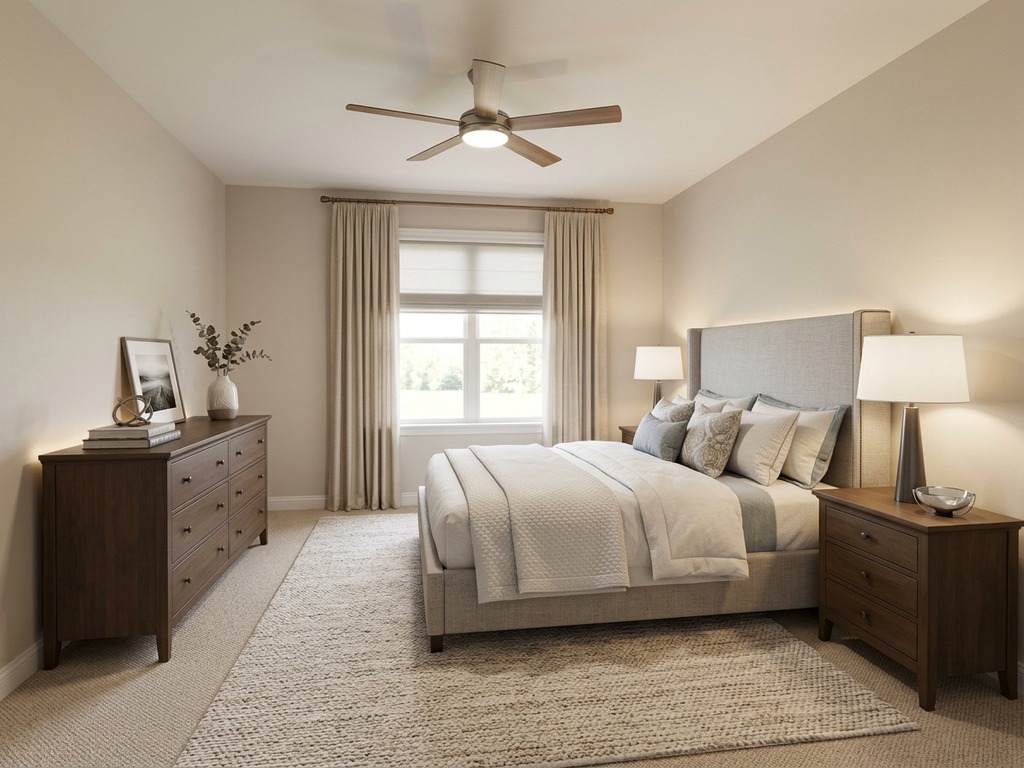
Classic comfort balanced with modern simplicity.
Defining Characteristics
- Traditional comfort edited with modern restraint
- Tailored upholstery with clean, simple lines
- A calm neutral palette with tonal layering
- Classic millwork paired with contemporary lighting
- Symmetry that feels relaxed rather than formal
- Texture — linen, wool, wood — carrying the interest
Signature Materials & Finishes
- Painted or lightly stained wood cabinetry
- Marble and honed quartzite counters
- Wide-plank hardwood in mid-warm tones
- Aged brass and polished nickel
- Linen, wool and cotton textiles
Color Palette
Warm White
#F7F4EF
Oat
#E0D6C4
Taupe
#A69C8E
Sage
#9AA48C
Deep Bronze
#6B5138
Best For
Pairs Well With
Real Transformation
Transitional Bedroom Retreat
Classic comfort meets modern simplicity — tailored upholstery, soft neutrals and layered lighting transform this dated bedroom.
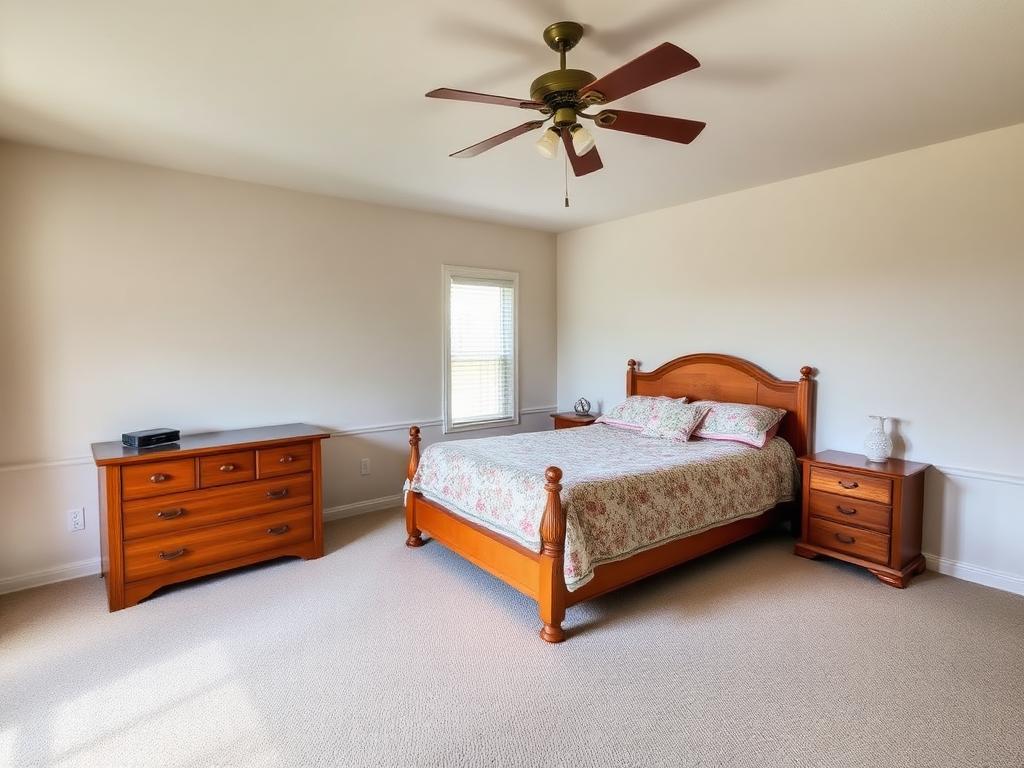 BeforeAfter — Transitional
Transitional Questions, Answered
Who is transitional design best for?
Anyone torn between traditional warmth and modern clarity. Transitional is the most broadly appealing style — it respects a home's architecture while feeling current.
How do I keep transitional from feeling bland?
Layer texture and contrast within the neutral palette: nubby linen against smooth leather, dark bronze against warm white, classic molding against a sculptural lamp.
Does transitional work in older homes?
It excels there. The style was practically invented for homes with traditional bones — keep the millwork and architecture, then simplify the furnishings.
See Transitional in your room.
One photo. Three concepts. Your actual space — not a stock render.
Redesign My Room in Transitional