Design Style
Contemporary
Of-the-moment forms, soft curves and confident contrast.
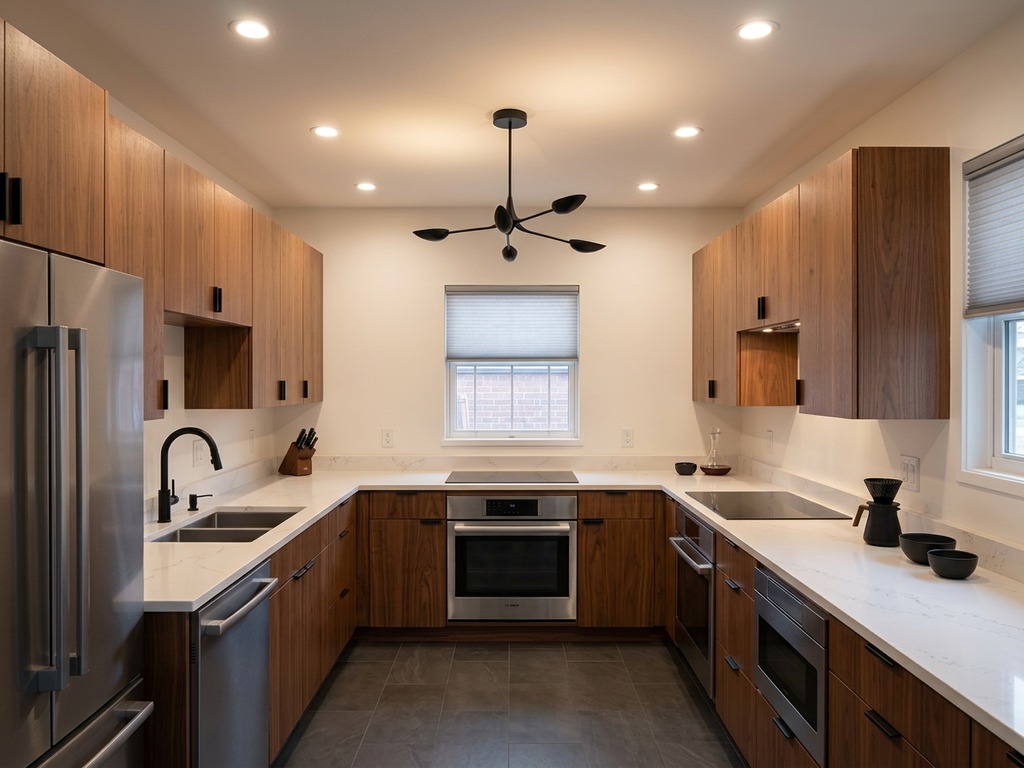
Defining Characteristics
- Current silhouettes — curved islands, fluted panels, rounded edges
- Bold but controlled contrast between light and dark
- Mixed metals used deliberately, not randomly
- Statement stone with dramatic veining
- Integrated, often invisible, lighting
- A neutral base punctuated by one or two confident accents
Signature Materials & Finishes
- Flat-panel walnut or rift-sawn oak cabinetry
- Quartz and quartzite with waterfall edges
- Large-format porcelain tile
- Brushed brass and matte black hardware
- Bouclé, velvet and performance linen upholstery
Color Palette
Soft Ivory
#F1EBE1
Walnut
#5C3D2E
Stone
#D9D2C7
Bronze
#8A6B4F
Espresso
#33261E
Real Transformation
Oak Galley, Reimagined
A dated honey-oak kitchen becomes a sleek contemporary space with flat-panel walnut cabinetry, quartz waterfall counters and integrated lighting.
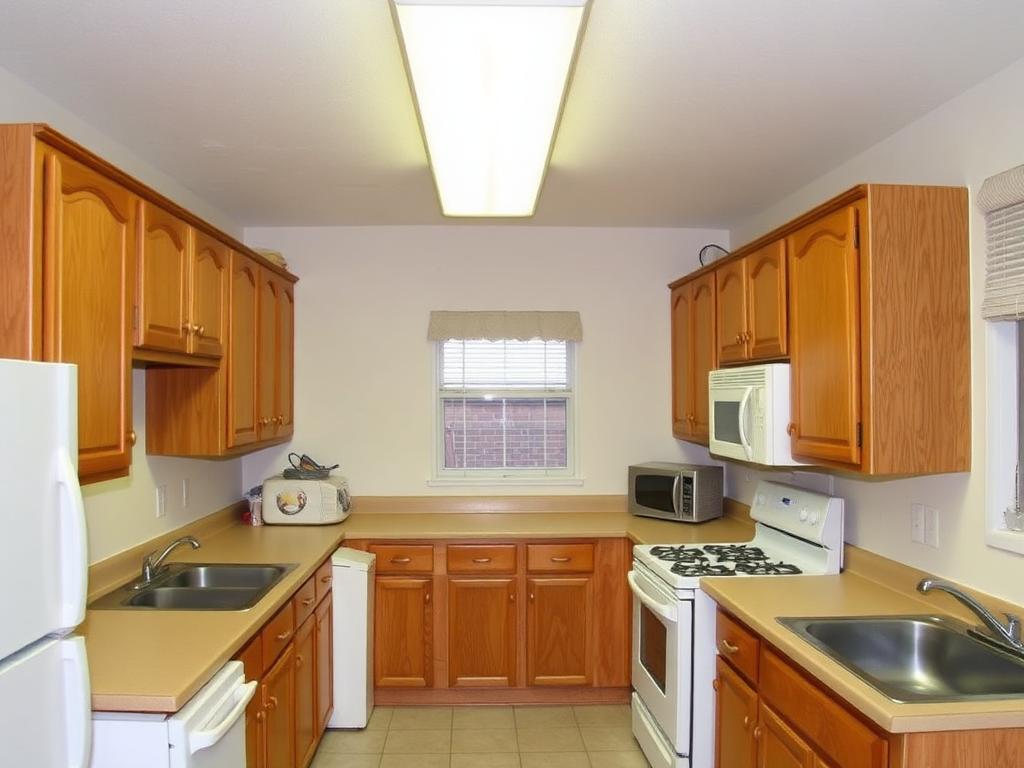 BeforeAfter — Contemporary
Contemporary Questions, Answered
Is contemporary design just a trend?
Contemporary design reflects what is current, but good contemporary rooms age well because they rely on proportion and quality materials rather than novelty. Choosing timeless bones with current detailing is the sweet spot.
What colors work in a contemporary room?
A warm neutral foundation — ivory, greige, taupe — with one or two saturated accents such as espresso, bronze or deep green. Contrast should feel intentional, never busy.
Can I mix contemporary with another style?
Yes — contemporary pairs naturally with modern for a cleaner look, or transitional for more softness. IndoorSpaces lets you mix two styles in a single redesign.
See Contemporary in your room.
One photo. Three concepts. Your actual space — not a stock render.
Redesign My Room in Contemporary